
Once viewed as a convenience for guests, hotel restaurants have evolved into world-class culinary destinations that attract travelers and locals alike.
Luxury hospitality and exceptional dining have always shared a close relationship. Today, however, hotel restaurants are no longer simply amenities designed to serve guests staying on the property.
Many have become destinations in their own right.
From Michelin-starred tasting menus and celebrated chefs to breathtaking architectural spaces and immersive culinary experiences, luxury hotel restaurants now play a central role in defining a property's reputation.
For modern travelers, a memorable meal can be just as important as the suite itself.
The Evolution of Hotel Dining
Historically, hotel restaurants primarily existed to provide convenience.
Guests expected quality meals, but few travelers chose a hotel specifically because of its restaurant.
That has changed dramatically.
Today, luxury hotels compete not only through accommodations and service but also through culinary excellence.
Many of the world's most respected restaurants are now located within luxury hotels.
Why Dining Matters More Than Ever
Luxury travelers increasingly seek experiences rather than possessions.
Dining offers an opportunity to:
- Explore local culture
- Discover regional ingredients
- Experience culinary creativity
- Connect with destinations
- Create lasting memories
As a result, restaurants have become one of the most powerful tools for enhancing the overall guest experience.
The Rise of Celebrity Chefs
One of the biggest drivers of this transformation has been the involvement of internationally recognized chefs.
Luxury hotels frequently collaborate with culinary talent to create signature dining concepts that attract global attention.
Benefits include:
- Distinctive menus
- Strong brand recognition
- Elevated dining experiences
- Destination appeal
For many travelers, reservations at these restaurants become a highlight of their journey.
Design as Part of the Experience
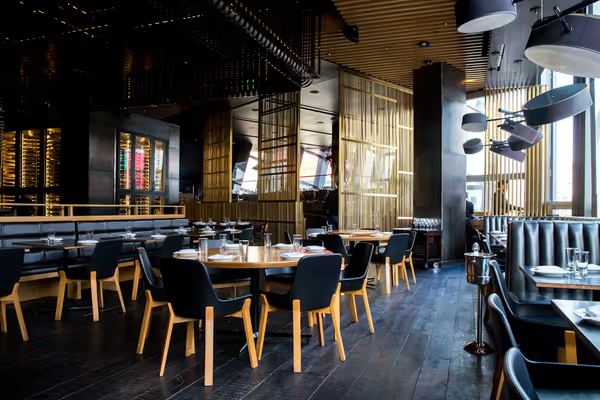
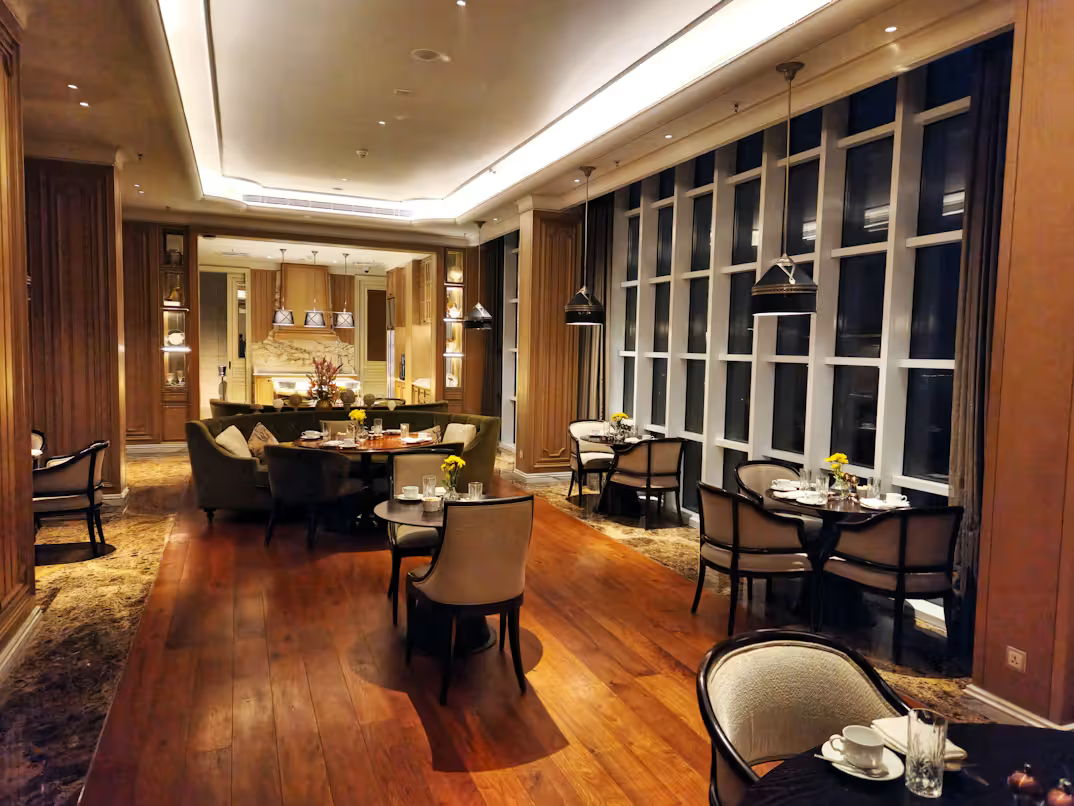
Modern hotel restaurants place significant emphasis on design.
Today's dining spaces often feature:
- Architectural statement pieces
- Open kitchens
- Panoramic views
- Curated artwork
- Bespoke interiors
The physical environment contributes as much to the experience as the food itself.
A memorable restaurant engages all the senses.
Local Ingredients and Authenticity
Luxury dining increasingly focuses on authenticity.
Many hotel restaurants prioritize:
- Seasonal produce
- Local sourcing
- Regional traditions
- Sustainable ingredients
- Artisan suppliers
This approach helps create a stronger connection between cuisine and destination.
Guests gain a deeper appreciation for local culture through food.
Beyond Traditional Dining
Luxury hotels continue to innovate by offering experiences that extend beyond the restaurant itself.
Popular examples include:
- Chef's table experiences
- Private dining events
- Culinary masterclasses
- Vineyard partnerships
- Farm visits
- Customized tasting menus
These offerings transform dining into a more immersive and memorable experience.
Fine Dining Meets Wellness
Changing traveler preferences have also influenced restaurant menus.
Many luxury properties now offer:
- Wellness-focused cuisine
- Plant-forward dishes
- Nutrition-conscious menus
- Sustainable seafood options
- Organic ingredients
The goal is to provide indulgence without compromising well-being.
Hotel Restaurants as Local Landmarks
The best hotel restaurants attract more than travelers.
Many become integral parts of the local dining scene, welcoming residents alongside international visitors.
This creates a vibrant atmosphere and helps establish the restaurant as a genuine destination rather than simply a hotel facility.
What Defines a Great Hotel Restaurant?
While culinary styles vary, the most successful hotel restaurants typically share several qualities:
- Exceptional food quality
- Strong service standards
- Memorable design
- Authentic storytelling
- Consistent execution
- Distinct identity
Together, these elements create experiences that guests remember long after they leave.
The Future of Luxury Dining
Hotel restaurants will continue to evolve as traveler expectations change.
Future trends are likely to include:
- Greater personalization
- Sustainable sourcing
- Experiential dining
- Technology-enhanced service
- Wellness integration
The relationship between hospitality and gastronomy will only become stronger.
Final Verdict
The modern hotel restaurant has become far more than a place to eat.
It serves as a reflection of a property's identity, a showcase for culinary talent, and an important part of the overall guest experience.
For luxury travelers, exceptional dining can transform a great hotel stay into an unforgettable journey.
As hospitality continues to evolve, hotel restaurants will remain at the heart of luxury travel.
Today's best hotel restaurants are not simply amenities—they are destinations that define the luxury travel experience.
Explore luxury dining, destination guides, and premium travel experiences with DailyNest.